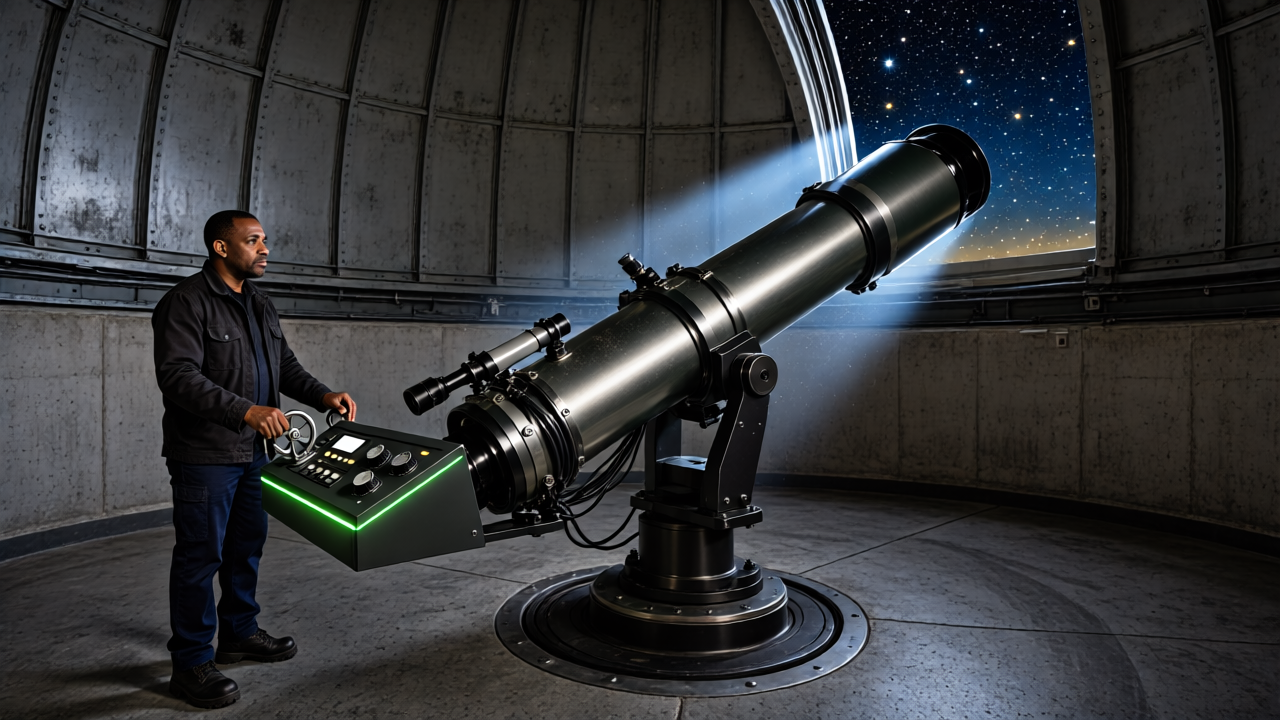
Kenyan American engineer Rama Afullo became convinced of the potential of orbital data centers after working in Google's cloud unit and then on Sp
Satlyt Raises $8M to Run AI Workloads on Satellites
Preparing your page.
The news will be here in a moment.
IN A CONNECTED WORLD
Multiple perspectives. One place.
Your curiosity, your daily feed.
Satlyt Raises $8M to Run AI Workloads on Satellites
Screen focus fell to 40 seconds in 2016 measurements; a guide to how the brain filters signals and how breaks, nature walks, and breathing practice restore attention.
Familiarity does not measure learning; this piece lays out seven research-backed techniques built on closed-book retrieval plus a simple protocol to run tomorrow.
Six classic effects from social psychology explain why distant attention, frequent encounters, and a groomed appearance raise attraction. Each effect is examined with a concrete experiment and its limits.
Staring at the same page for forty minutes without remembering anything is a method problem, not an intelligence problem. I examine eight research-backed ways to learn faster: spacing, retrieval, interleaving, the Feynman technique, dual coding, sleep, desirable difficulties, and growth mindset.
A learning coach with thirteen years of practice separates study rituals from the thinking that happens in the brain, then walks through five dimensions where progress usually stalls. The research-backed frame helps each reader locate their own bottleneck and start there.
A national network to coordinate quantum technology standards was announced with £10 million in support. Led by NPL, it is intended to bring together government, industry, academia and standards bodies.
UKAEA and Princeton Plasma Physics Laboratory signed a declaration of intent to explore linking their SUNRISE and STELLAR-AI fusion supercomputing platforms. The collaboration aims to develop AI models using experimental data from both laboratories to support future fusion plant design.
A new Women in Research Charter was announced with commitments on paid family leave and flexible working. Signatories are required to match UKRI support for doctoral researchers, including at least 52 weeks of maternity leave with a full stipend for the first 26 weeks.
IBM, Oak Ridge and Cleveland Clinic modeled the tritium chemistry of FLiBe, a blanket-candidate salt for fusion reactors, with hybrid quantum-classical computation; the experiment is a scientific first, while its market impact sits between hype and reality.
IonQ demonstrated the industry's first end-to-end real-time quantum error decoder running on a single off-the-shelf CPU, validating 408 logical qubits and 31.5 million operations at MegaQuOp scale with just 0.02% stretch.
Born in 1902 to remove humidity, air conditioning has been stuck on an 1834 gas cycle; in 2023 Maryland squeezed and released nitinol tubes to reach a 22.5-degree span at 260W with water as the only fluid and active regeneration as the lever.
A joint team from IonQ, Oak Ridge National Laboratory, Nvidia and the University of Tennessee showed a generative model that writes quantum optimization circuits directly instead of tuning them trial-by-error. Called DQAOA-GPT, the transformer held circuit-finding time near 28 seconds from 4 to 12 qubits while roughly doubling solution quality on a dense 100-variable problem; every circuit ran as a simulation on an Nvidia H200 via CUDA-Q inside Oak Ridge, with the result presented at IEEE Quantum Week.
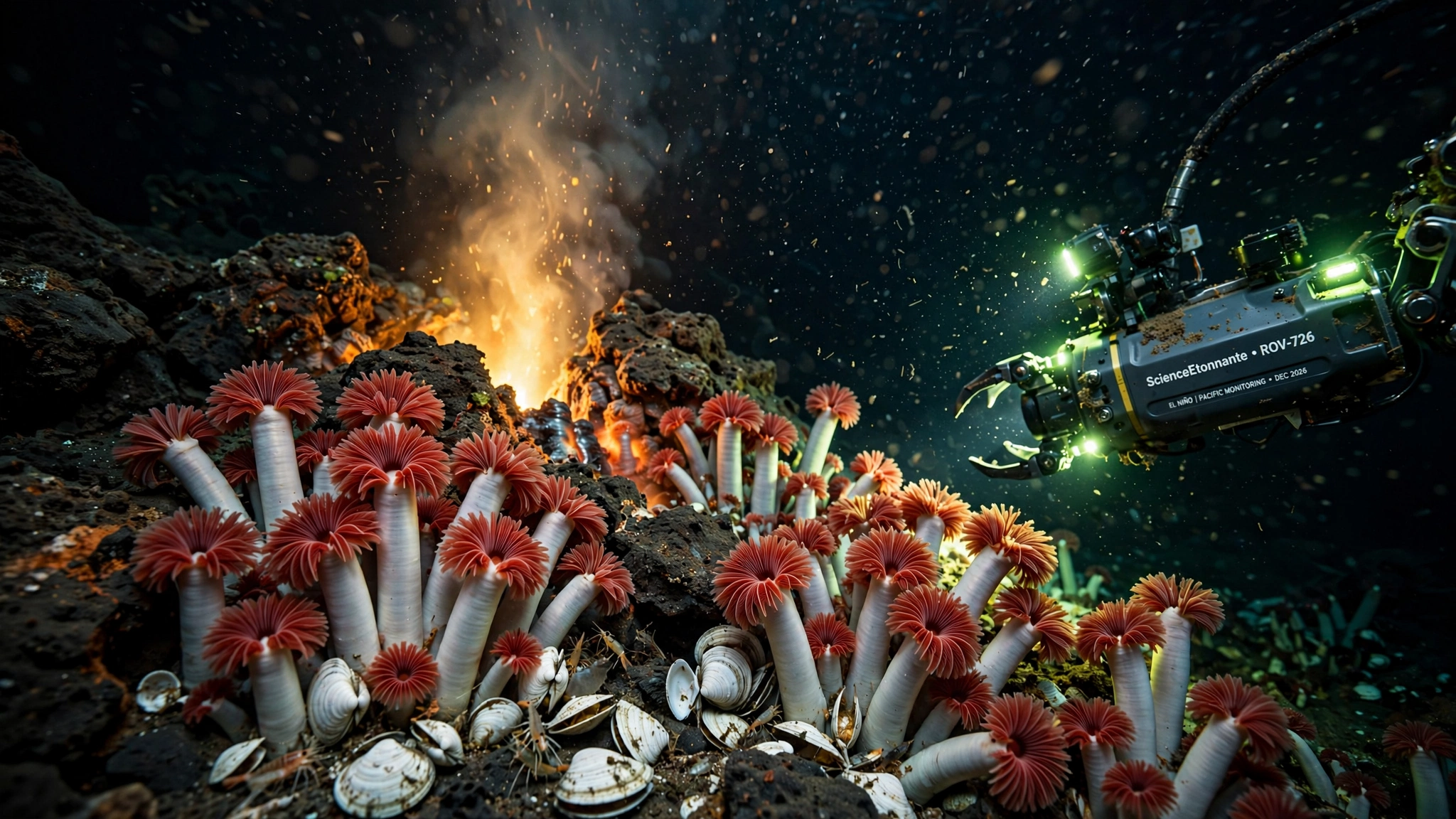
ScienceEtonnante unpacks a powerful El Niño expected by late 2026 and shows how the tropical Pacific can warm by 3–4 °C in weeks. A lull in the trade winds deepens the thermocline and triggers the Bjerknes feedback, while ocean discharge and recharge build an irregular 3–7 year cycle whose impacts stretch from Peruvian fisheries to Australian drought and far beyond.
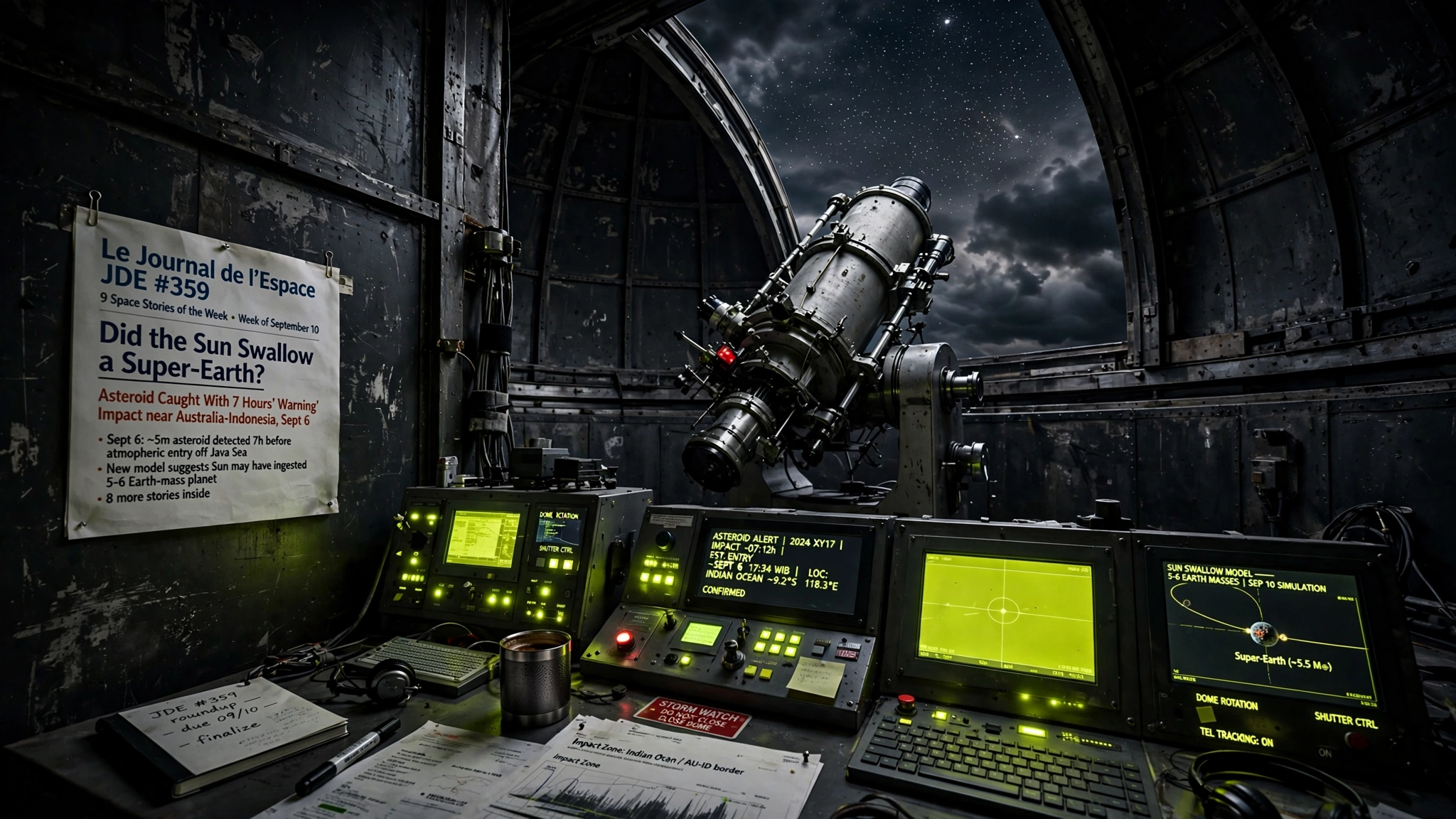
Le Journal de l'Espace's JDE #359 roundup (week of September 10) links a 7-hour warning asteroid that came down near the waters between Australia and Indonesia on September 6, a September 10 model in which the Sun may have swallowed a 5-6 Earth-mass super-Earth, Apollo Maneuvers, orbital weapons and warning debates, plus Mars, Venus, Mercury and two next-generation rockets.
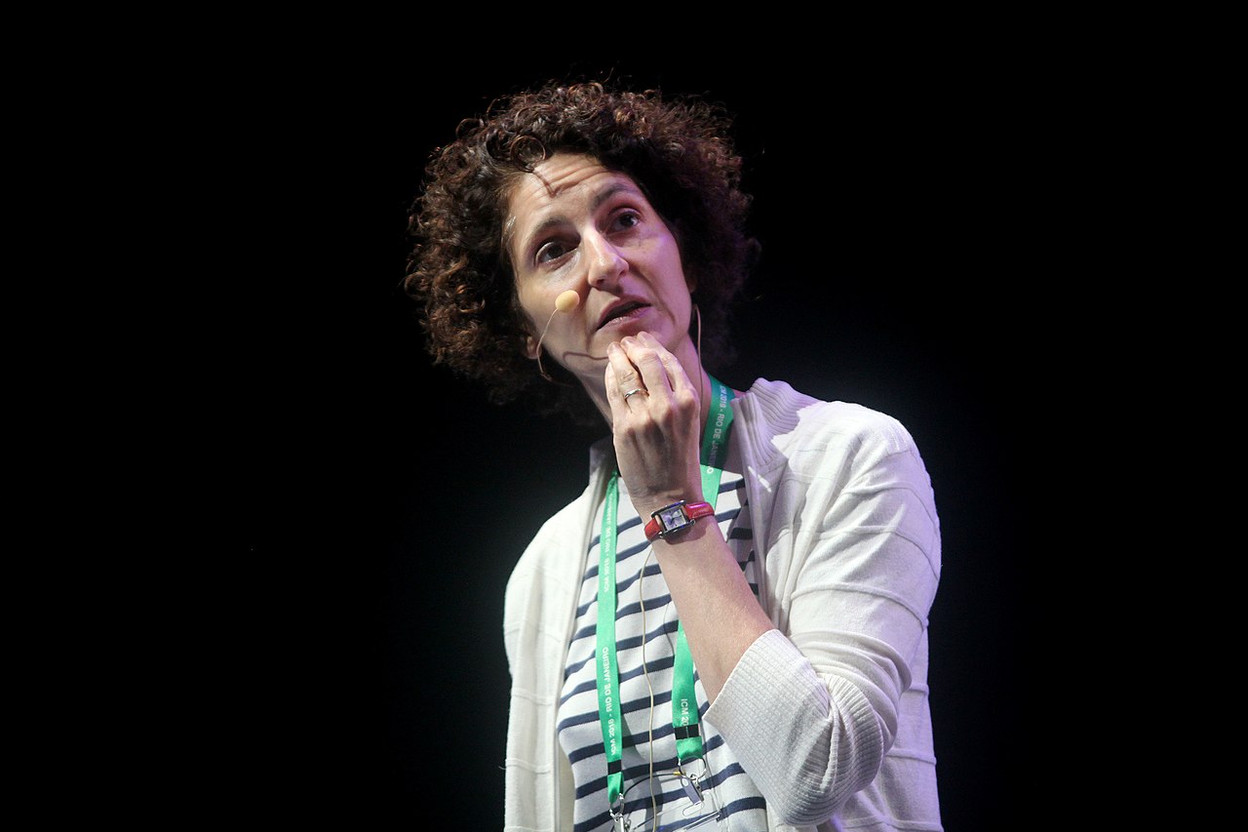
In a Numero Un conversation, Sylvia Serfaty and Amaury Hayat explain how an AI leap expected for 2045 arrived in 2026 with three major math breakthroughs, from OpenAI's Navier–Stokes push to Lean-checked proofs that are shaking the field.
Strange Space follows time from Newton's absolute river to Einstein's relative now, the Wheeler-DeWitt frozen universe, and an April 2026 ion-clock proposal that could finally bring quantum time onto the lab bench.
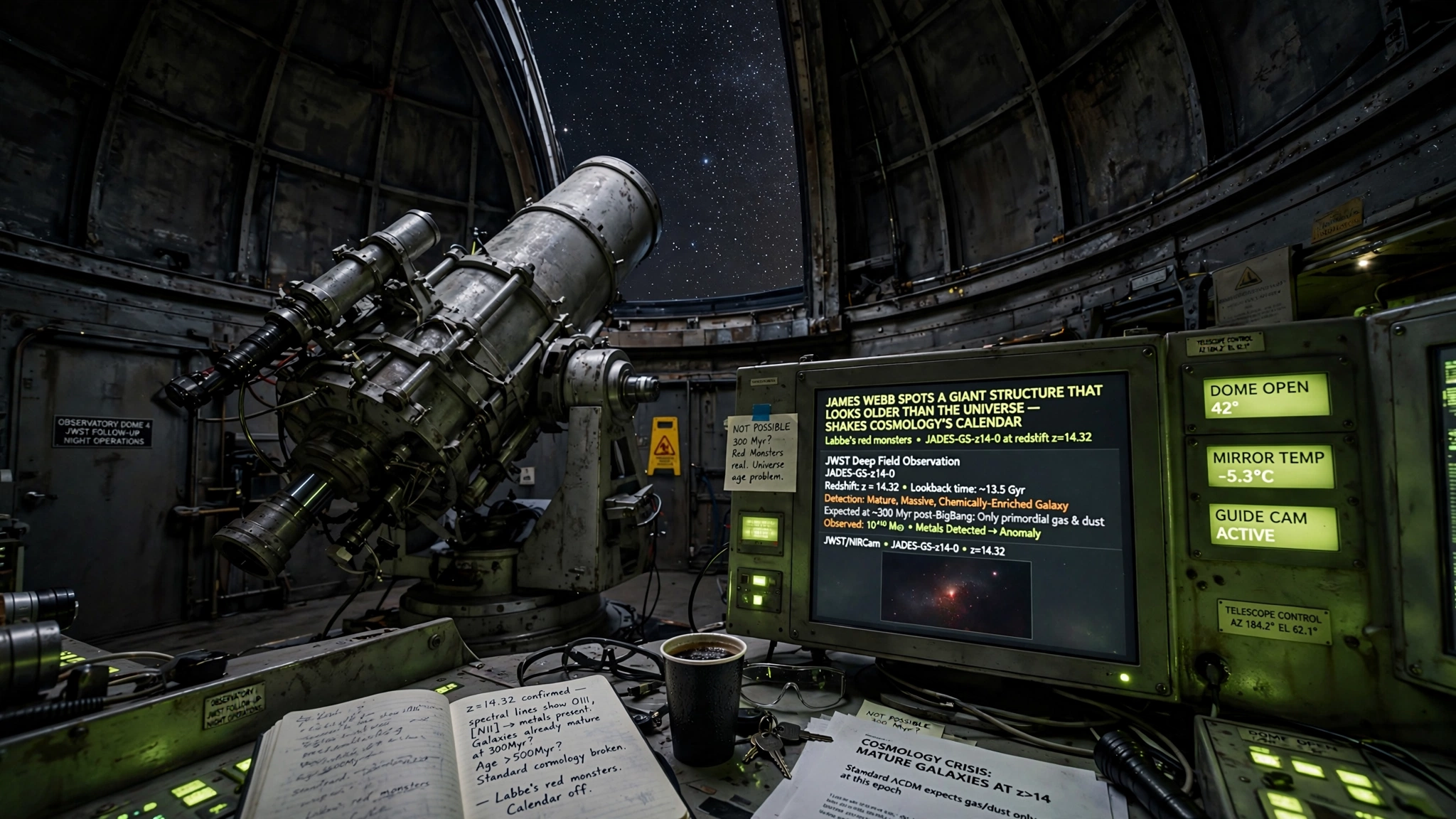
In James Webb's deep fields, mature, massive and chemically enriched galaxies have appeared where the standard 13.8-billion-year calendar expects only gas and dust at 300 million years; Labbe's red monsters, JADES-GS-z14-0 at redshift 14.32 and hundreds of excess massive candidates turn a single oddity into a statistical flood, forcing LCDM's chronology, early dark energy and gravity variants, and 26.7-billion-year alternatives onto the same table.
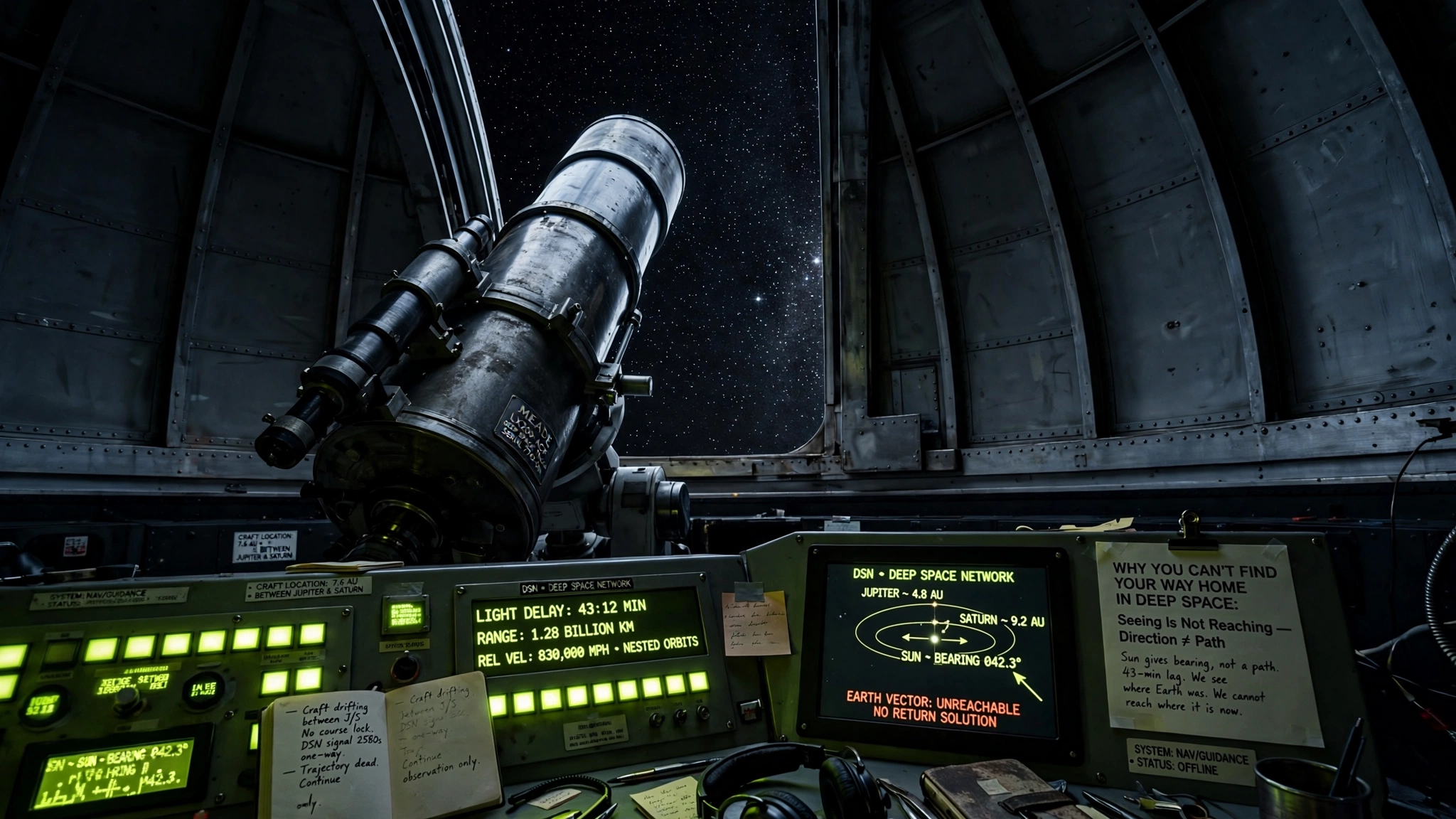
From a craft drifting between Jupiter and Saturn, the Sun gives you direction but not a path home — the video gathers every layer of deep-space navigation, from a 43-minute light delay and 830,000 mph nested motions to the Deep Space Network's 20-billion-times-weaker signals and pulsar clocks, around one question: how do you lock onto a place you can see but cannot touch?
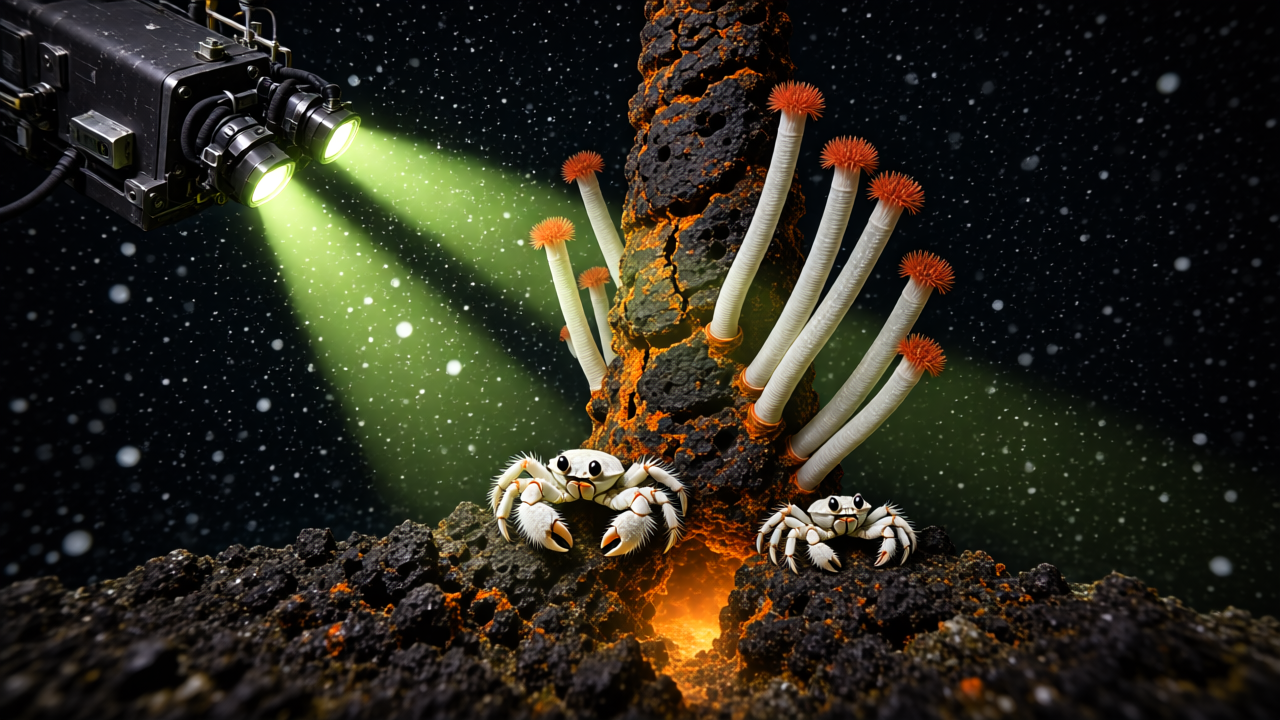
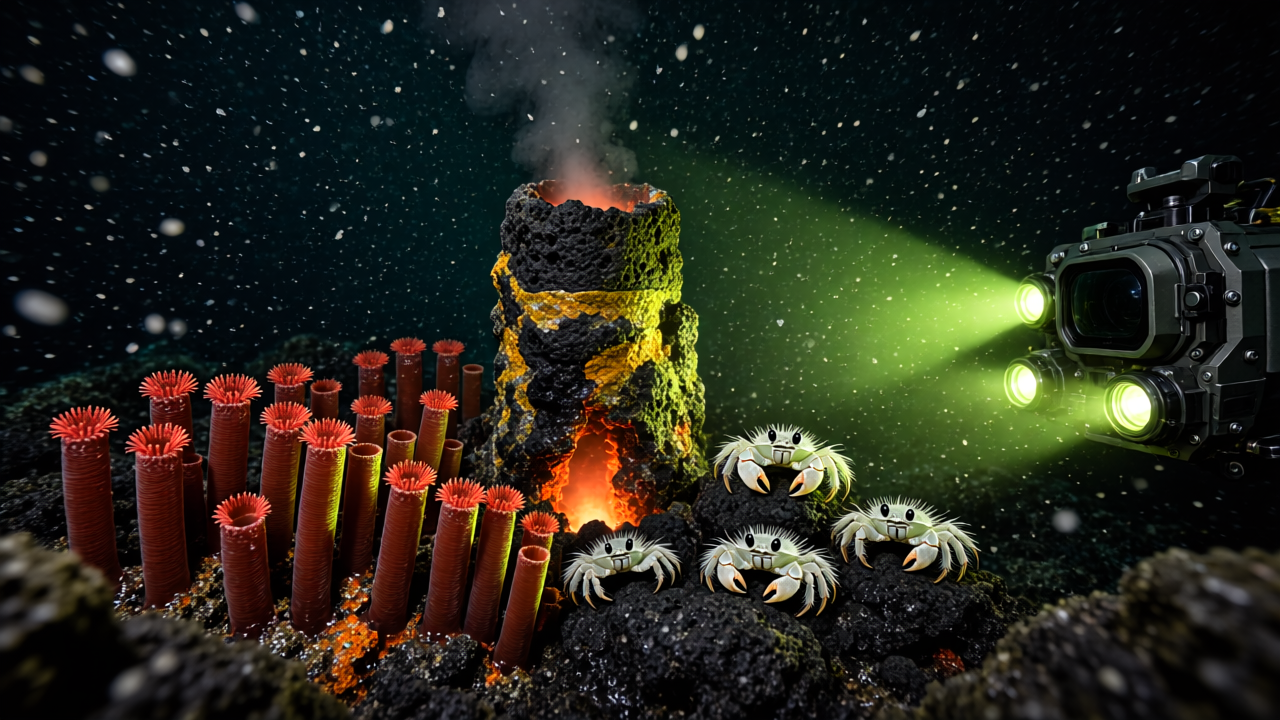
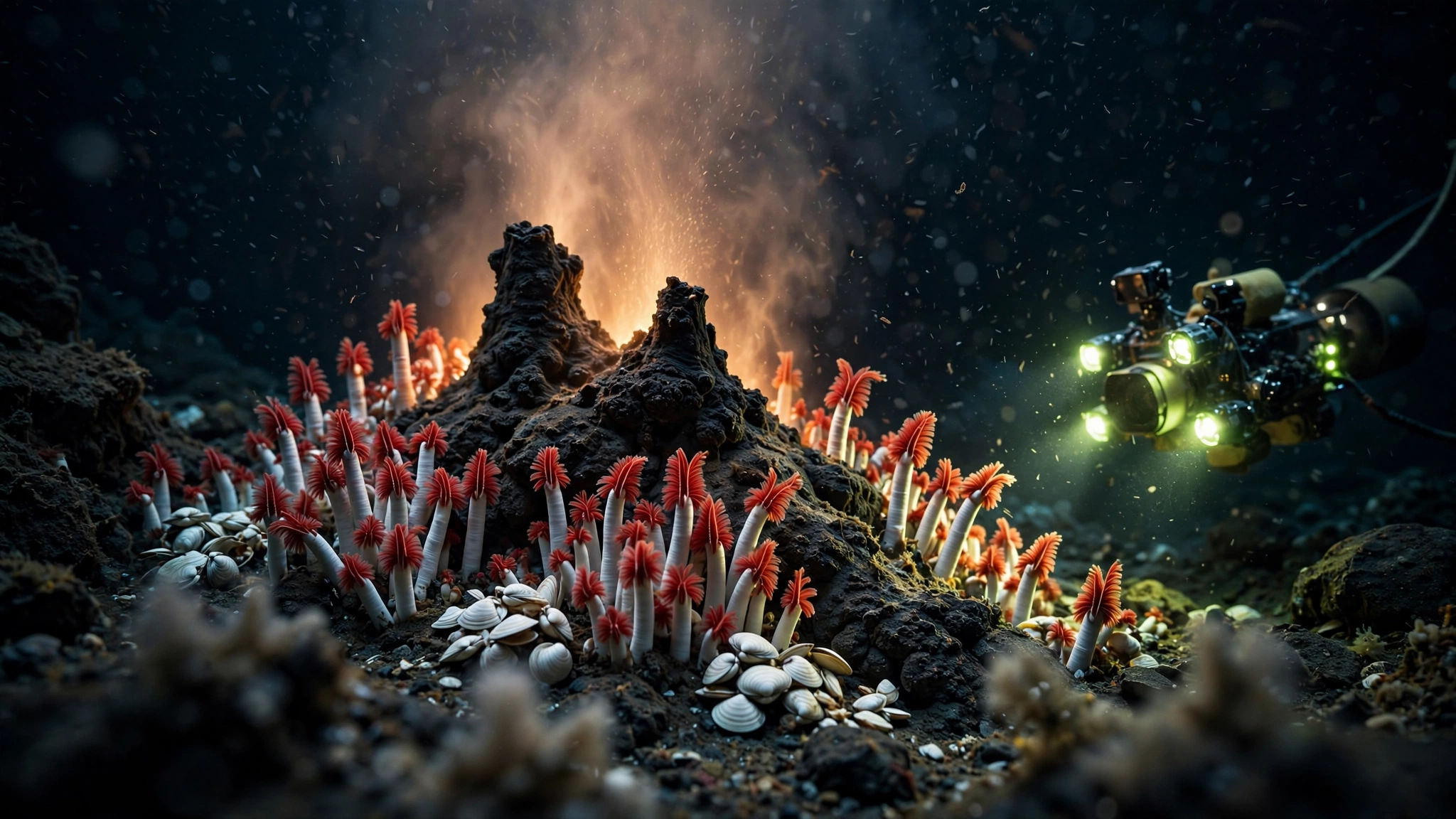
Life found beside a hydrothermal vent near Galapagos in 1977 broke biology's most basic rule. Combined with Dhruv Rathee's 2,300-metre dive off Norway, the story shows why the deep sea is Earth's largest and least-known ecosystem.
New Horizons flew past Pluto like a bullet after 9.5 years. Adding the fuel, speed and planetary alignment needed to stop, wait and come home stretches even a robotic return to 35–40 years, and a crewed flight hits a wall with today’s chemical rockets.
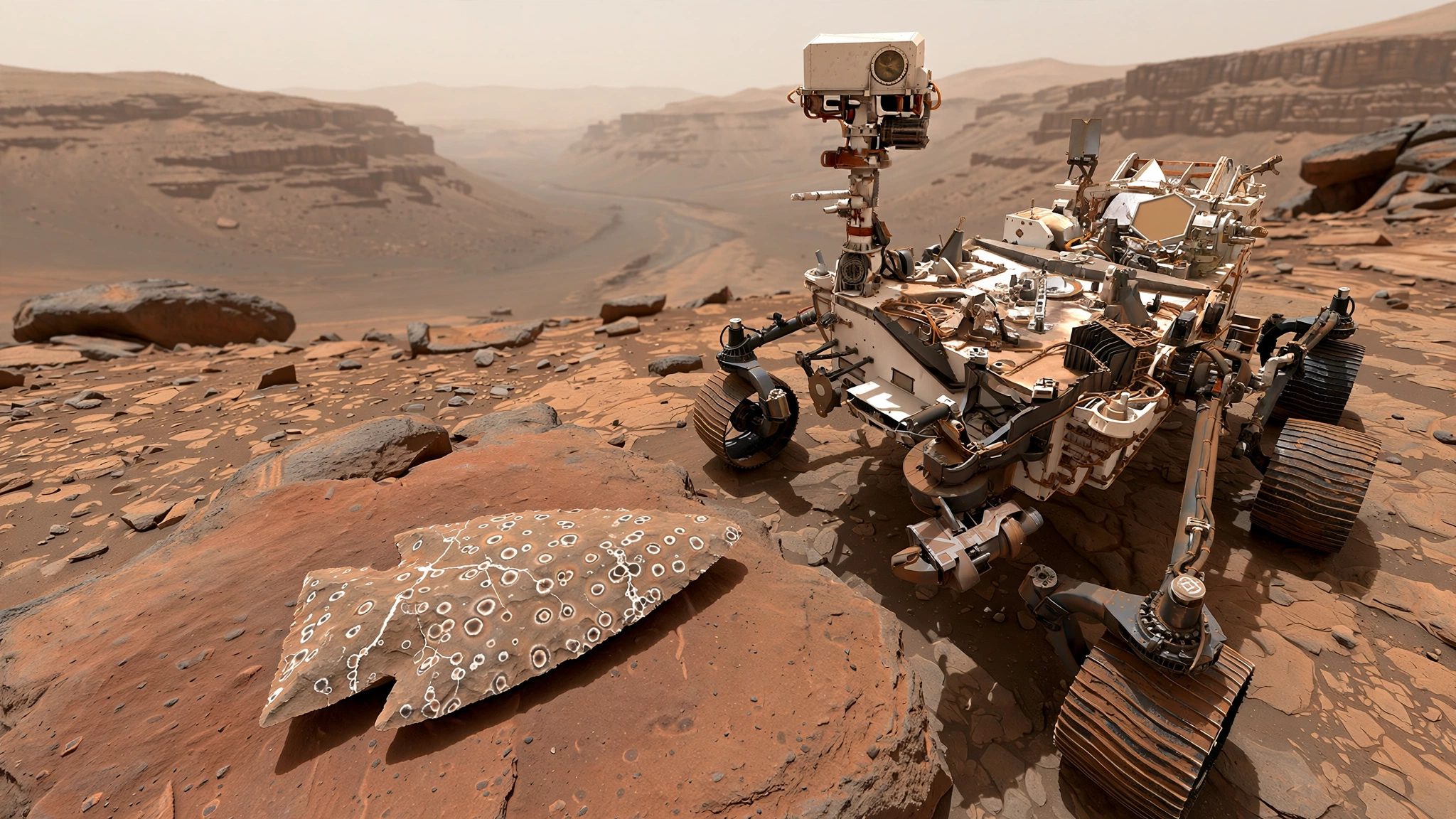
In July 2024 NASA's Perseverance found leopard-spotted nodules rich in organic carbon rimmed with iron-phosphate and iron-sulfide in the Cheyava Falls rock in Jezero Crater; a peer-reviewed analysis published 10 September 2025 in Nature calls it the strongest potential biosignature yet — but says only an Earth return can tell if it is truly biological.
Evrim Ağacı pairs the whisper-quiet Dyson HJet Compact, filtering 70 liters per second, with the roar of jet engines at 150 decibels; from laminar flow and the Reynolds number to the eighth-power velocity law, turbofan bypass and NASA chevrons, it traces how mastering mixing tamed low-frequency jet noise and then quietly entered a living room purifier.
SciShow explains why the hunt for humanity's first city has remained unsettled for 70 years, tracing 5,000 years of urban experiments from Göbekli Tepe and Jericho to Catalhoyuk, Uruk and sites across three continents to show what we mean by a city and why lasting cities were rare.
Among the noise, meaningful connections.