Defense Secretary Pete Hegseth used his 'State of the Force' address on Wednesday to announce Project Meridian, a new initiative to study how futu
Pentagon Taps Musk, Luckey, and Gingrich for Project Meridian
Preparing your page.
The news will be here in a moment.
IN A CONNECTED WORLD
Multiple perspectives. One place.
Your curiosity, your daily feed.
Pentagon Taps Musk, Luckey, and Gingrich for Project Meridian
A man who left no books shook the order of Athens with his questions and was condemned to death by the court of democracy. This piece tells the method, the trial and the legacy of Socrates from start to finish.
In a live broadcast, Jim Acosta argues that Trump is stalling budget and shutdown bargaining until after the November midterms; the fiscal year-end, an $810 million cancellation plan, and stalled talks form the backbone of that claim.
The idea that ideologies have ended is not new: Daniel Bell proclaimed it in the 1950s, Francis Fukuyama did so in 1989; both waves hailed consensus, both collapsed. Today the inverse tableau holds: V-Dem 2025 reports 74% of world population living under authoritarian rule, and liberal democracy has become the least common regime type in history.
Victor Davis Hanson argues Iran's regime is near cracking in what would be the biggest rupture since the Berlin Wall, presenting Russia, China, Latin America and Greenland as parts of one pro-Western power shift.
Ash Sarkar meets FT journalist Patricia Nilsson on her book Guilty Pleasure to explain how free tubes, monopolies, and payment giants reshaped desire. The conversation links algorithms, labor, and regulation into one account of the world porn made.
Matan Even spends 51 minutes accusing his guest Professor Jiang, who lives most of the year in Beijing, of being a Chinese spy; packed with prediction tests, deep-state jokes and dark topical turns, the recording deliberately blurs the line between joke and serious claim.
The Revolutionary Guards announced seizing a US REMUS 600 unmanned subsea vehicle they say was spying in the Strait of Hormuz, with data recovery under way. The second case in days raises the temperature in the closed strait.
After Xi Jinping's September 23-25 Washington visit, Beijing and Washington agreed to conclude a military crisis-communication memorandum as soon as possible. The eight-point diplomatic package also includes an AI-incidents channel and a new AI dialogue in November.
At Jack Neel's table, Nick Fuentes and Professor Jiang clash over a map of power that stretches from the Iran war to the Bank of England's 1694 founding, from Chabad to the AI-as-god narrative, testing each claim against its counter-thesis.
Geopolitical Economy Report reads the 134-guest Washington dinner as early-stage Cold War bargaining; escalation from 145% tariffs to rare-earth curbs backfired and pushed both capitals toward temporary strategic stability.
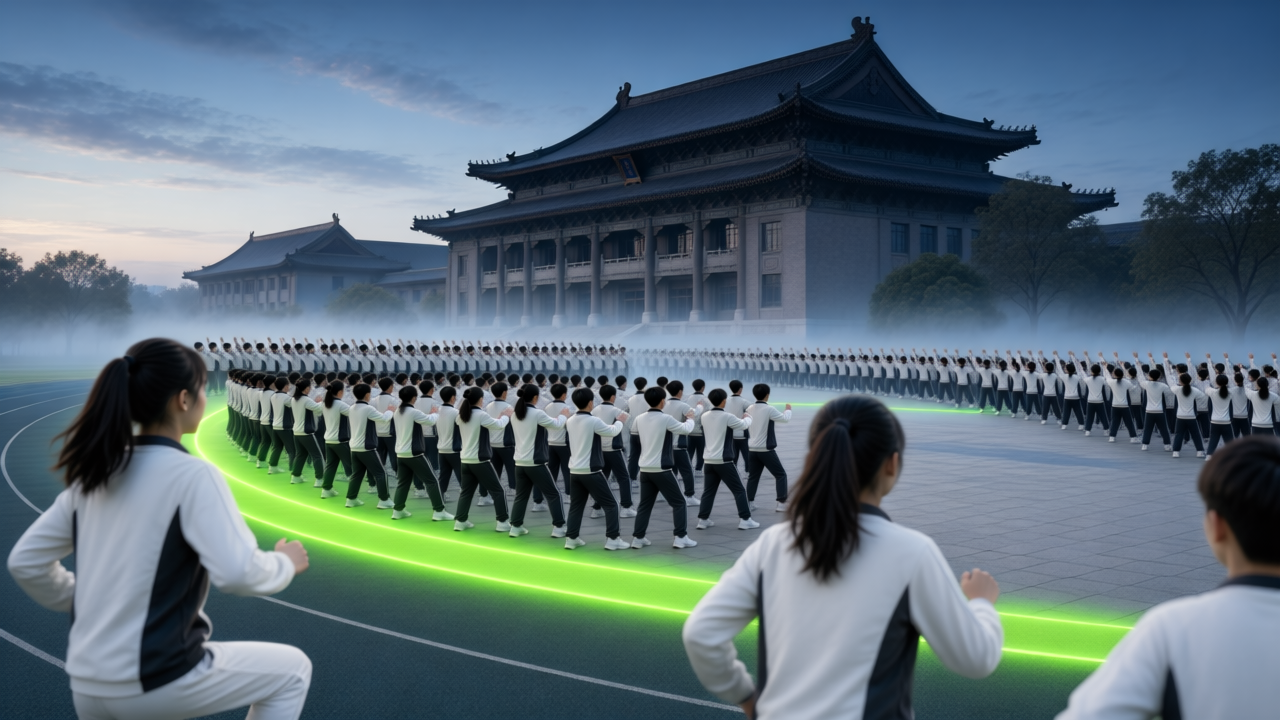
A day spent in one of China's best high schools shows how education has become a selection machine: mornings that start at six, mandatory exercise in 35-degree heat, cameras in every classroom, sleep treated as a permission rather than a fault, mandatory AI lessons, and a job market absorbing 12.7 million graduates. The same system is inflating engineering departments while quietly shutting down the humanities.
Xi Jinping's first state visit to Washington in nearly a decade brought a red-carpet welcome but only a two-month trade truce, with Taiwan, press access and a disputed photo dominating the coverage.
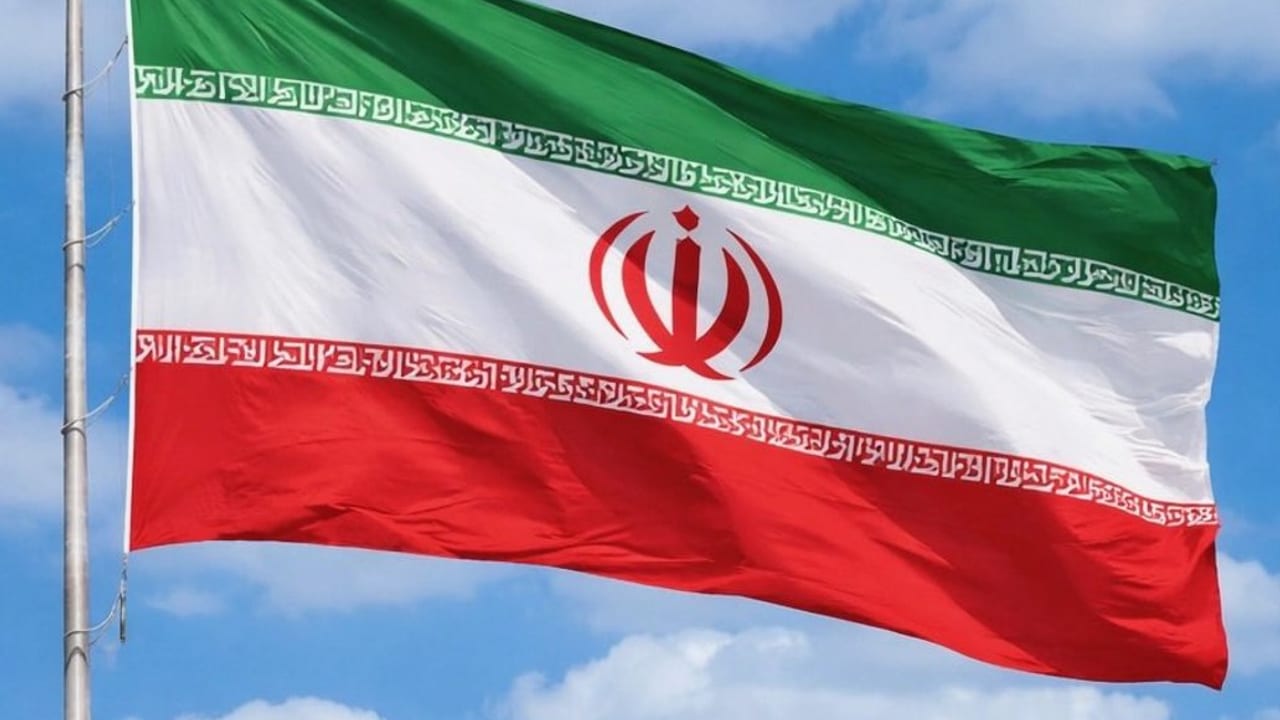
Sources tell Reuters that US and Iranian negotiators meeting in New York are exploring a phased roadmap to end seven months of confrontation: Tehran would reopen the Strait of Hormuz while Washington lifts its economic blockade of Iranian ports. Talks are running through mediators on the margins of the UN General Assembly.
The 49W crew lands in China to answer 'What did we see in China?' from street level. Punctual high-speed trains, QR codes on every stall, streets filled with electric cars and cameras day and night — the video weighs whether the reality on the ground matches the clichés abroad.
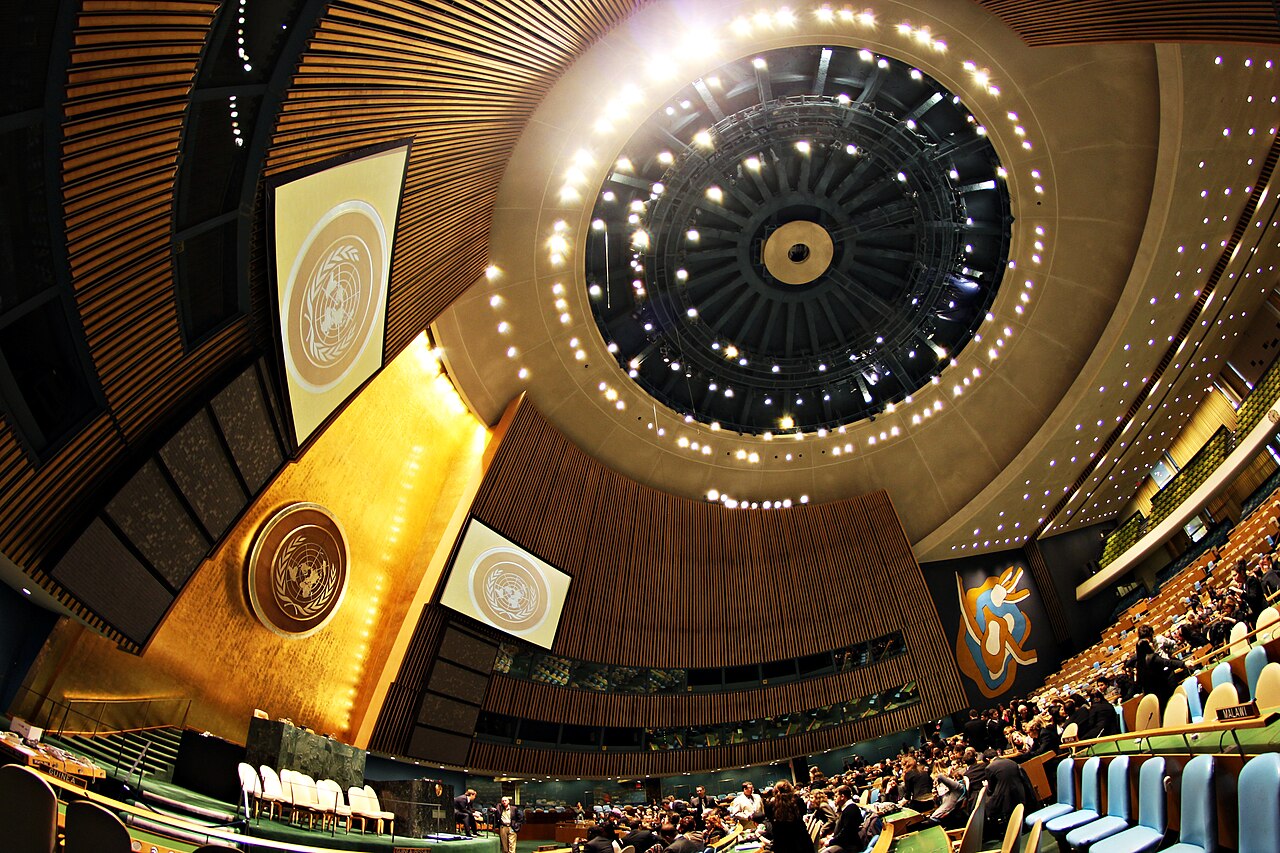
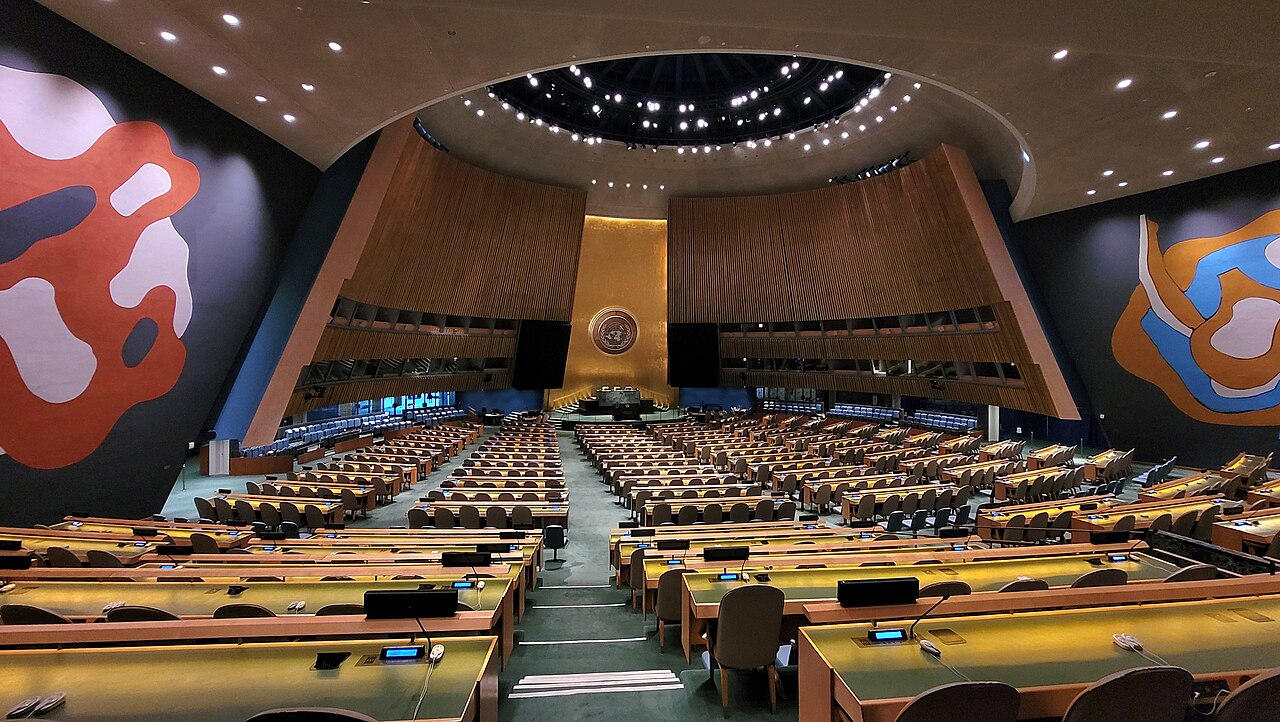
The Daily Show's UN-week roundup stitches three headlines into one block: Trump twice misplacing Secretary of State Marco Rubio from the General Assembly podium during the 80th session, U.S. Attorney Jeanine Pirro seizing the 54-pound Martian meteorite NWA 16788 found in the Sahara over a missing customs declaration, and First Lady Melania Trump ringing the NYSE bell to launch the women-CEO network Imperia and then teasing a new docuseries for November.
The Trump administration's tariff, border and fentanyl rhetoric has placed the trade, migration and security agendas of two neighboring countries under simultaneous pressure. Official data shows that Canada has slowed immigration rather than eliminated it, while Canadian and American records sharply disagree on the scale of fentanyl movement. The dispute is not only about a border disagreement: it exposes how the two countries rely on each other for energy, food, transport and trade infrastructure.
On December 20, 2023, Toshiba quietly vanished from the Tokyo Stock Exchange, ending 74 years as a listed company — a collapse that erased 148 years of history in just 10, rooted in a cultural rot that no balance sheet could hide.
At the heart of 770 Eastern Parkway, hundreds of young men memorize **Tanya** for more than ten hours a day while the **kosher phone** only talks and **light is blocked not switched** on Shabbat; Ruhi Cenet's specially permitted entry into the Hasidic neighborhood shows how faith tightens every screw of daily life.
Per a Valuetainment panel, the Kremlin is planning a quiet, undeclared mobilization right after regional elections, while Ukraine launched its largest attack yet with roughly 1,000 drones including hundreds toward Moscow. With energy refineries hit and a new US base in Poland back on the table, Trump's diesel warning and chatter of a US drawdown from Europe deepen uncertainty.
In Nicolai Tangen's In Good Company, Finland's President Alexander Stubb argues the old order is breaking as in 1918, 1945 and 1989 — and the outcome will hinge not on West versus East, but on the **choices of the Global South** and **who gets access to technology**.
Fifty days before the US midterms, Victor Davis Hanson argues Tehran is playing the calendar with oil and the Strait card, while street and regime eye opposite October scenarios — with almost no verifiable ground reporting, the bet rests on timing and perception.
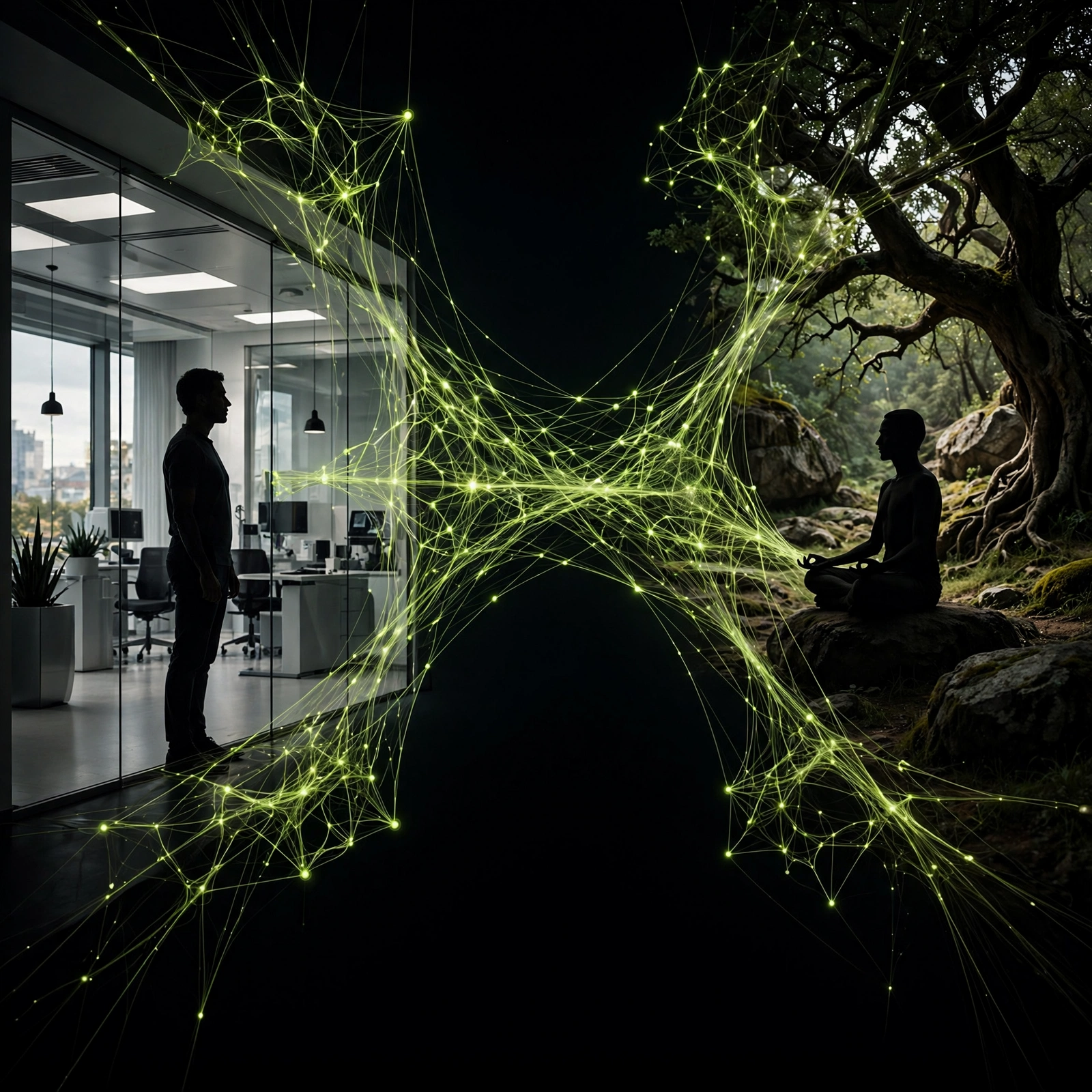
On a stage where Harvard clinicians meet Sadhguru, one question dominates: will AI soon substitute the psychiatrist, the psychologist and the spiritual guide? Answers oscillate between the promise of scale and the human limits recalled by touch and by soil, with a story of collapse and repair that stretches from 1920 to 2045.
Keith Yap's conversation with Professor Wang Gungwu holds “Make America Great Again” and a century-old Chinese desire to restore greatness in the same mirror. Across 90 minutes — from geography's return to the hydraulic state, from the tribute order to the nation-state, from the West's two faces to the one-party ideal — the talk unpacks why two civilizations built different states and why they misread each other.
Among the noise, meaningful connections.