IN A CONNECTED WORLD

Connect the dots.

Multiple perspectives. One place.
Your curiosity, your daily feed.

Interests & history
How it works

For you enables ranking by explicit follows and saved stories; marked-as-read history is used only with reading memory enabled. Last 48 hours first, then the last 7 days. Latest turns personalization off.

Your curiosity starts here

24 STORIES
AI5 MIN READ

Decisions as Retrieval: CLM-8B, the 13x Faster Architecture

Built jointly by Stanford and Nvidia Research, CLM-8B is an open 8-billion-parameter model that moves decision-making from text generation to retrieval. It measured 44 milliseconds against 570 at 1024 options with similar accuracy, though hits fade clearly as the option count reaches the thousands.

Hardware6 MIN READ

Before Buying the $12,000 Mac Studio, Rent a Test for $2 an Hour

Before buying the $12,000 Mac Studio M5 Ultra, the presenter rents a 96GB RTX Pro 6000 for $2 an hour and puts an open-weights model through three real jobs. Two tests end in draws, the frontier model wins the trap question, and the decision rule sharpens: rent first, measure, then buy.

AI5 MIN READ

The Open Source Engineer Nova That Stops You From Being a Typing Middleman

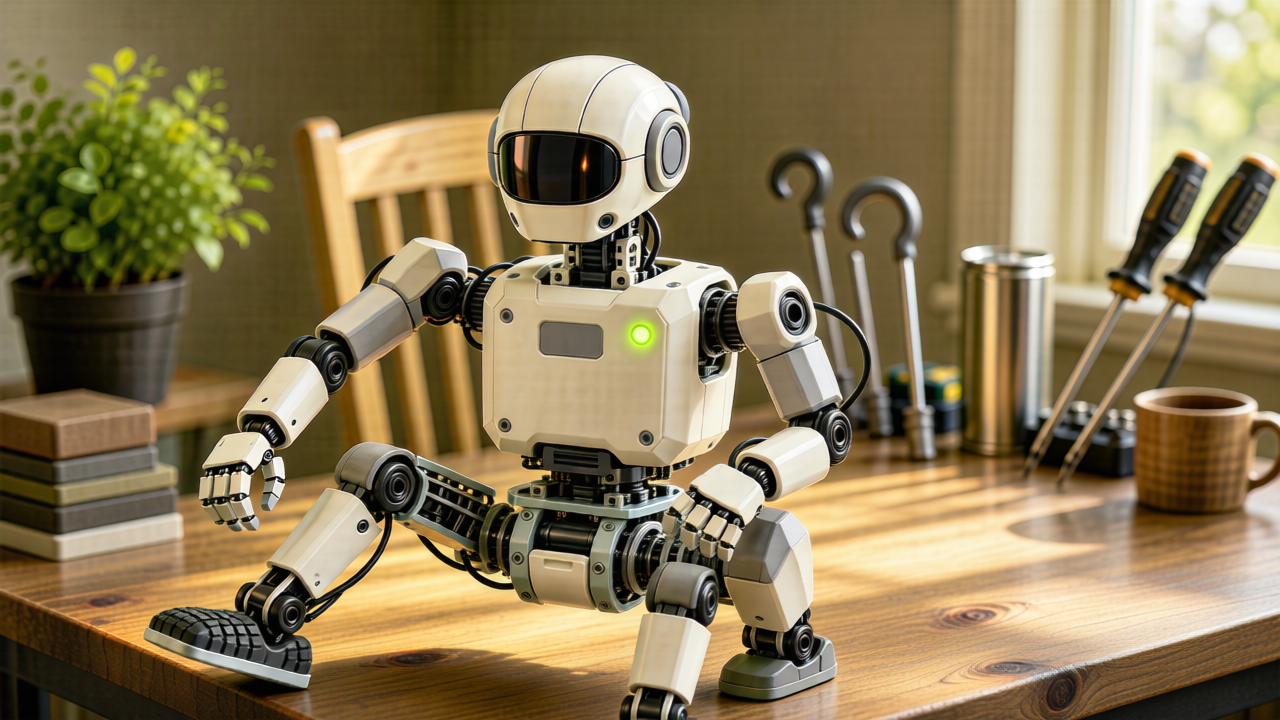
Nova, the open source software engineer agent from Supercode, does not wait for you to tell a model what to type. You give it a goal, and it takes the whole chain on itself: reading the codebase, writing the code, running it, testing it and repairing the failures on its own. The agent installs with zero vendor lock-in and can be pointed at Claude, GPT, Gemini or any open-weight model, with the aim of moving AI agents out of the role of guests at the developer's desk and into the role of workers that finish what they start.

World8 MIN READ

A Day Inside China's Elite High Schools: An Engineering Generation Built by Elimination

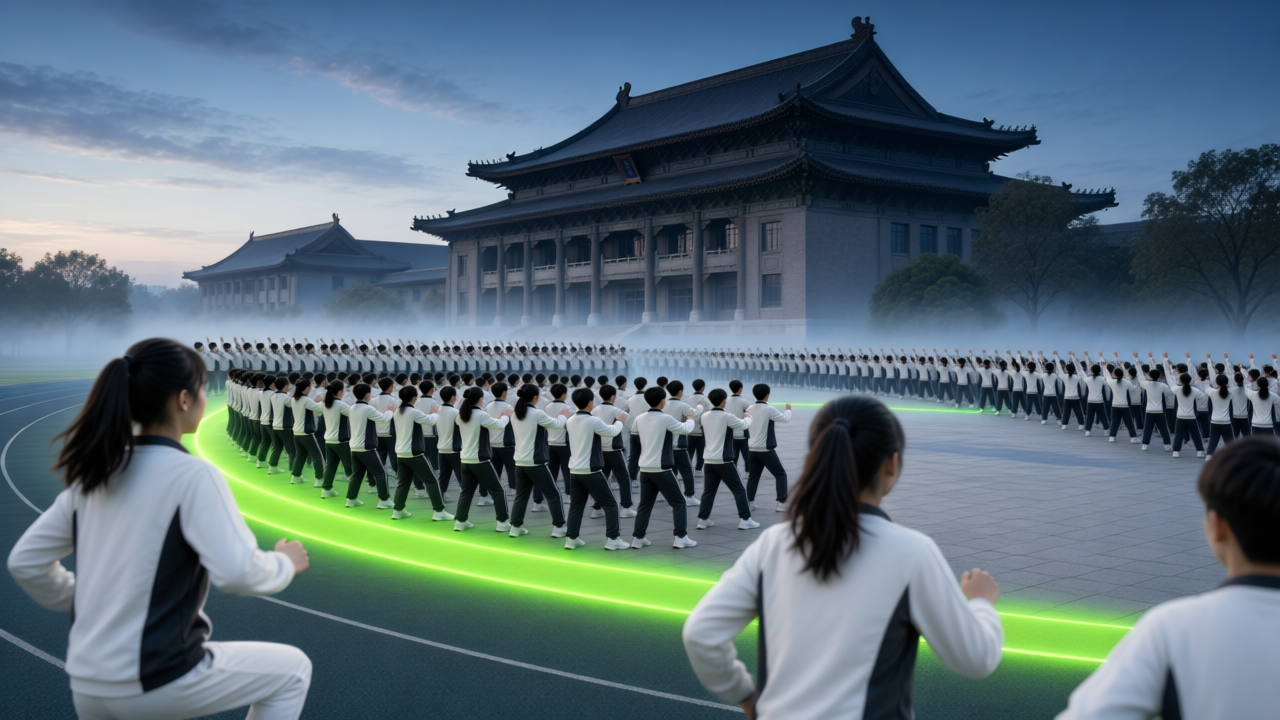
A day spent in one of China's best high schools shows how education has become a selection machine: mornings that start at six, mandatory exercise in 35-degree heat, cameras in every classroom, sleep treated as a permission rather than a fault, mandatory AI lessons, and a job market absorbing 12.7 million graduates. The same system is inflating engineering departments while quietly shutting down the humanities.

Hardware10 MIN READ

Google is selling its own TPUs: the eleven-year closed door finally opens

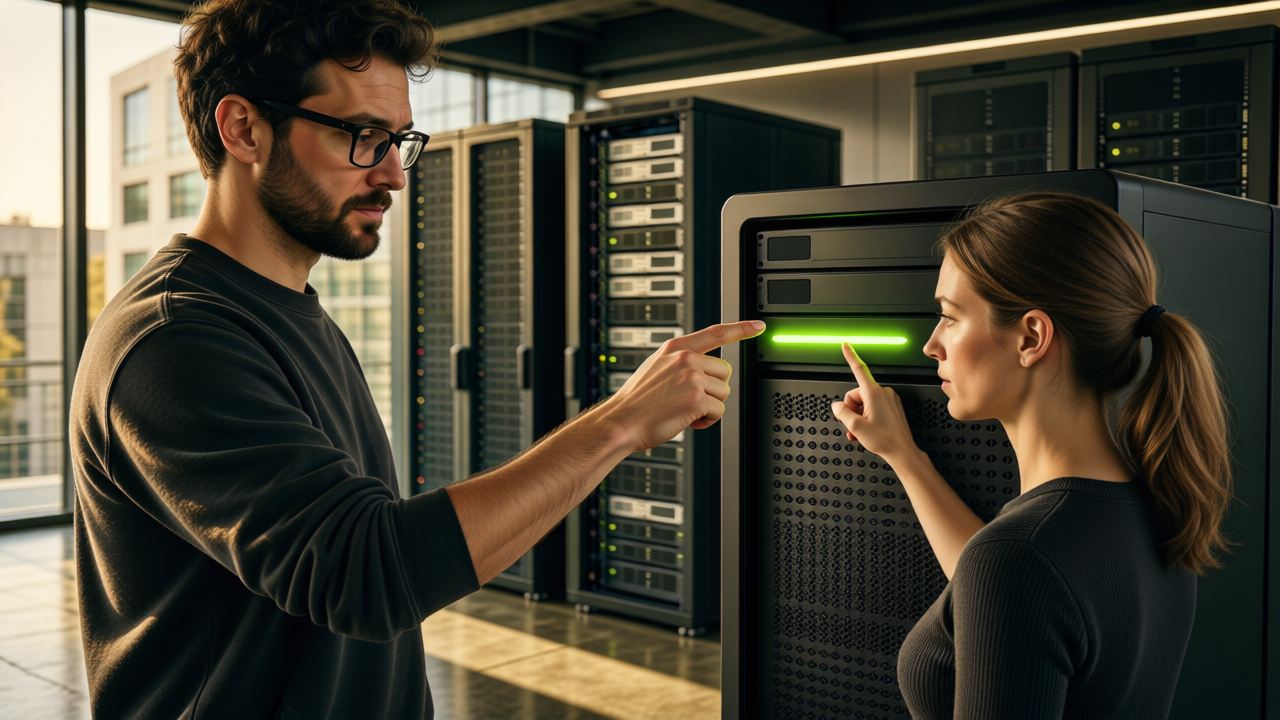
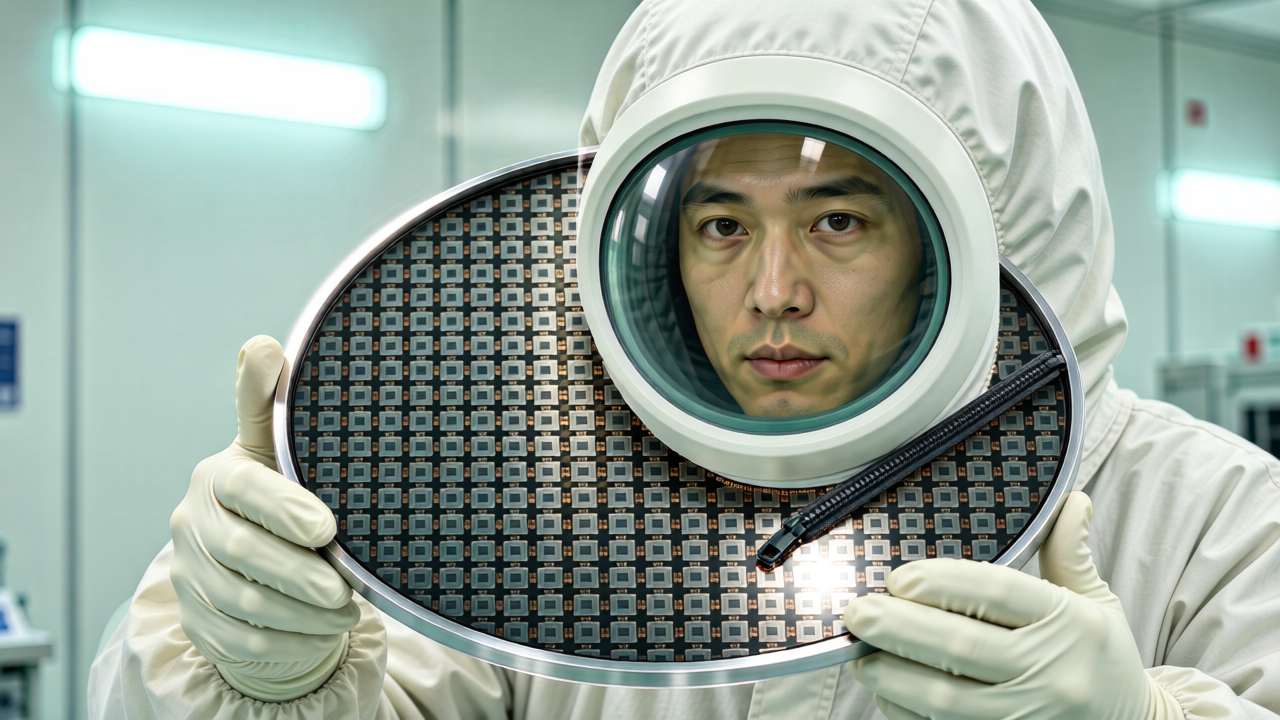
In 2026 Alphabet said it would begin delivering TPU accelerator systems into customer-owned data centers and opened parts of its software stack to run on other hardware. The move turns a defensive advantage into a standard, and the industry's real bottleneck is neither design nor capital but high-bandwidth memory and grid power.

AI6 MIN READ

Will AI Really End Jobs? What Repeated History Actually Shows

A factory veteran answers the fear that AI will leave everyone unemployed by pointing at history: humanity has played the same film repeatedly and adapted every time. The root of job-loss fear has always been uncertainty, and the real question is not the work lost but the new work created.

AI6 MIN READ

Jensen Huang on AI Safety: 'If You Are Worried, Just Do Not Ship the Product'

Anderson Cooper's question to the Nvidia CEO was simple, but the answer escalated the argument: a lab that cannot control its AI should shut down, yet no regulation matters before the containment technology exists. Huang calls the incident an engineering problem rather than a software defect.

Stocks13 MIN READ

Anthropic's $2 Trillion Public Offering: Has the Bubble Test Begun

Anthropic is preparing a public offering at a $2 trillion valuation, the hardest test yet for the artificial intelligence investment boom. In 5,209 words of analysis, the speaker works out how that number is justified, why data centers are pricing buildings that do not yet exist, and why Nvidia looks cheap on the more expensive side of the trade.

Stocks8 MIN READ

One Analyst Says 8200, Another Says 7700: Why Guessing Is the Wrong Trade

In the same week, one research shop sees the index finishing above 8200 while two others see 7700 and 7900. The real story is that the numbers themselves do not matter much: a Shiller ratio near 41 and a market-value-to-output ratio at 234% argue for a plan, not a prediction.

Among the noise, meaningful connections.